Four ancient capitals — Dambadeniya, Yapahuwa, Panduwasnuwara, and Kurunegala — each a chapter in Sri Lanka's greatest royal story, written in stone, faith, and legend.
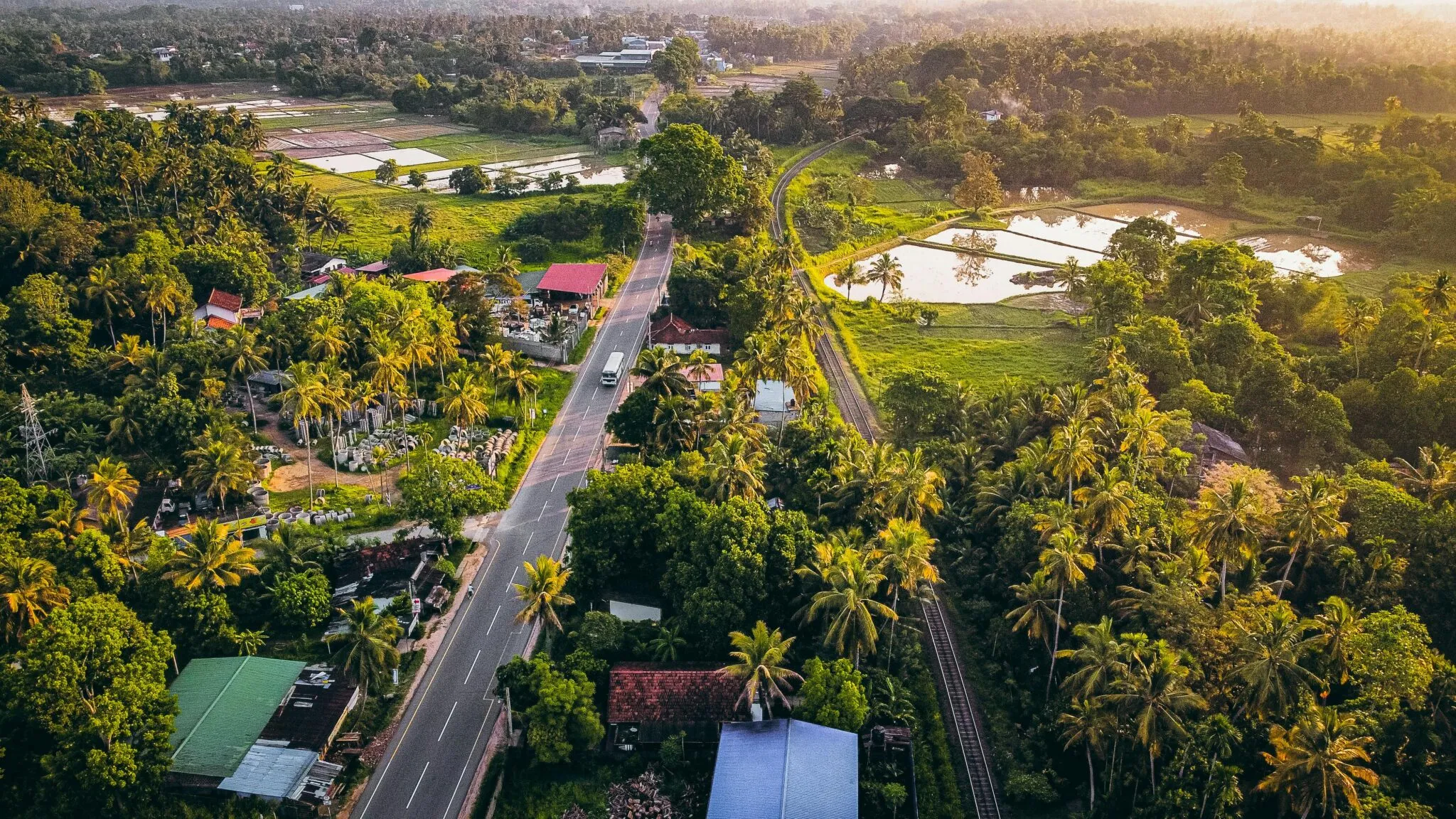
Explore the KingdomsThe Kingdom of Tambapanni was the first Sinhalese kingdom in ancient Sri Lanka. It was founded by Prince Vijaya and his followers after landing on the island, in an area near modern-day Puttalam in the North Western Province.
Tambapanni is a name that also served as the name of the island itself. According to legend, when Prince Vijaya landed on the island, his hands touched the red earth, turning them the color of copper ("Tambapanni").
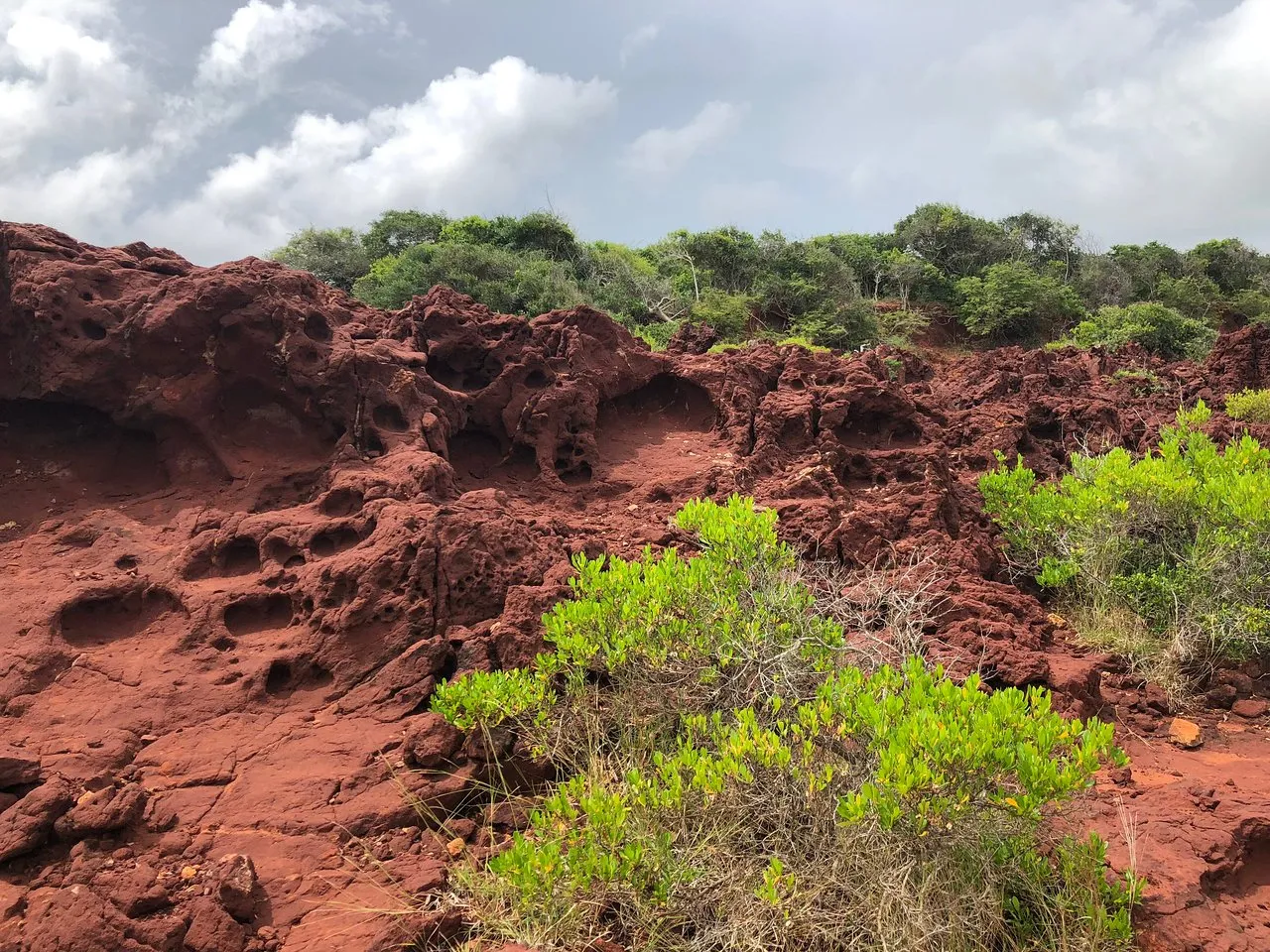
Dambadeniya served as the capital of Sri Lanka from 1220 to 1272 CE. Founded by King Vijayabahu III, it became an important center for protecting Buddhism and preserving Sinhala literature during a period of great political turbulence on the island.
Visitors can explore palace ruins, defensive structures, and the famous Dambadeniya Rock. The kingdom is also noted for the writing of the famous Buddhist text "Pujavaliya" by Mayurapada Thero during this era.
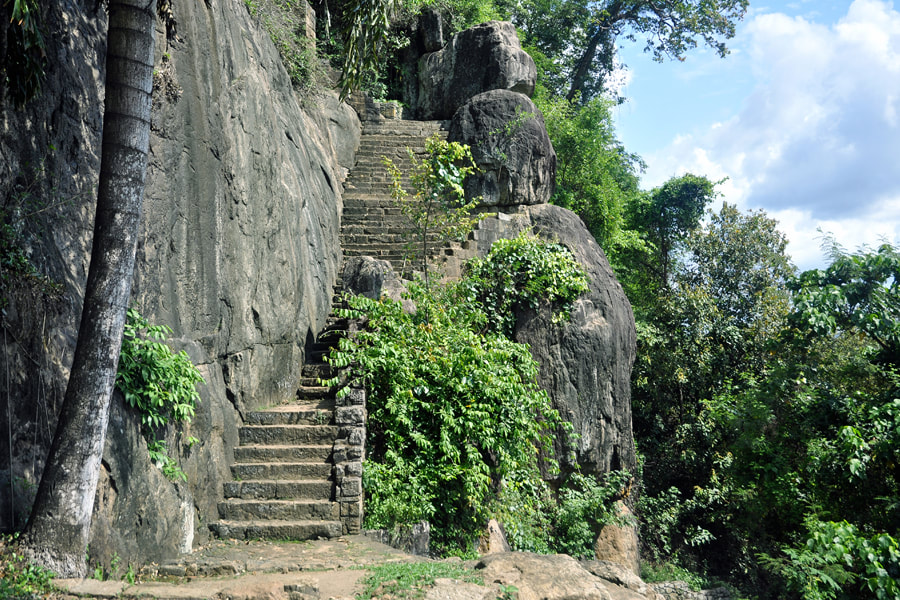
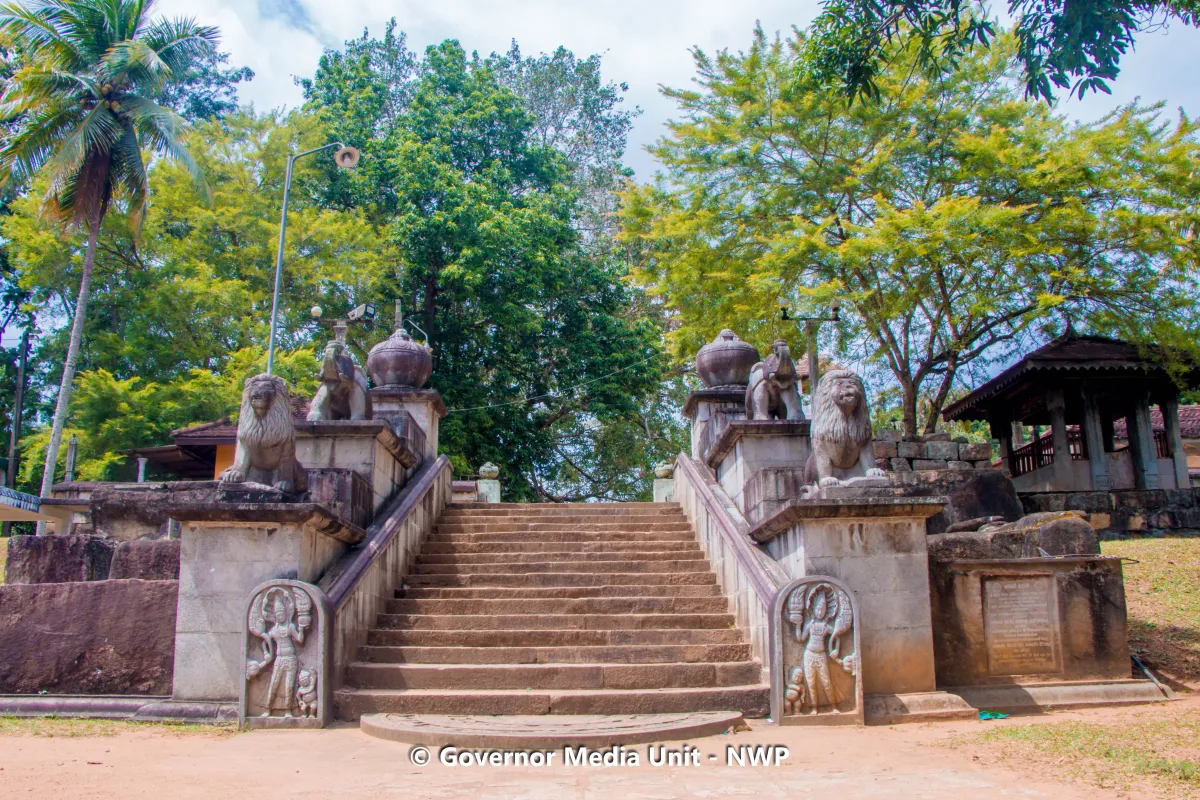
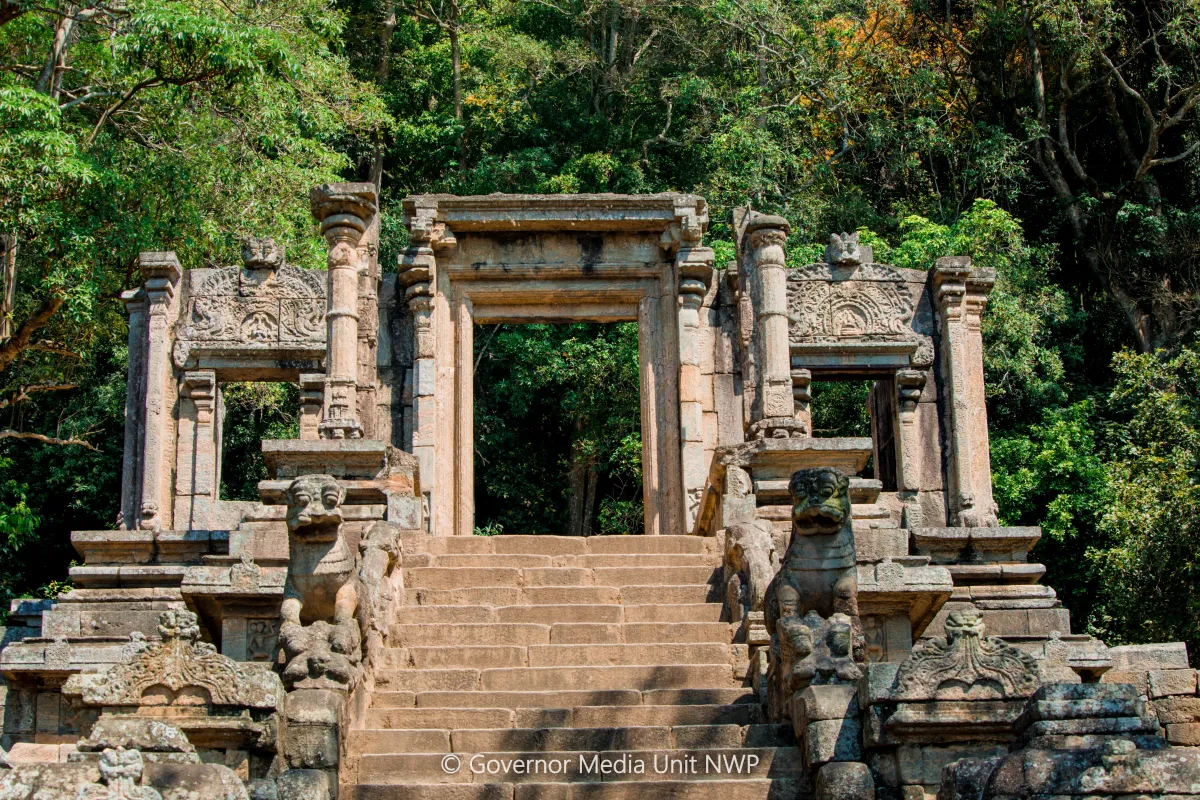
Yapahuwa was the capital of Sri Lanka during the reign of King Buwanekabahu I in the 13th century. The fortress is renowned for its magnificent stone stairway decorated with lion sculptures and intricate carvings — considered one of the finest examples of medieval Sri Lankan art.
The Sacred Tooth Relic was once housed here, making it one of the country's most important historical sites. The rock fortress rises nearly 90 metres above the surrounding jungle, offering a near-impregnable natural defense.
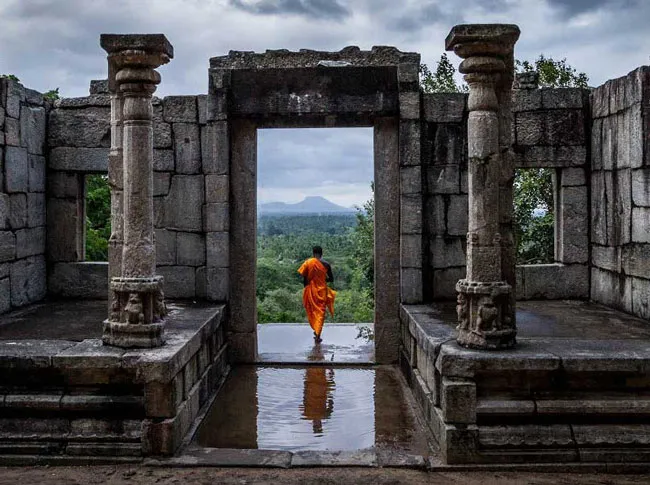
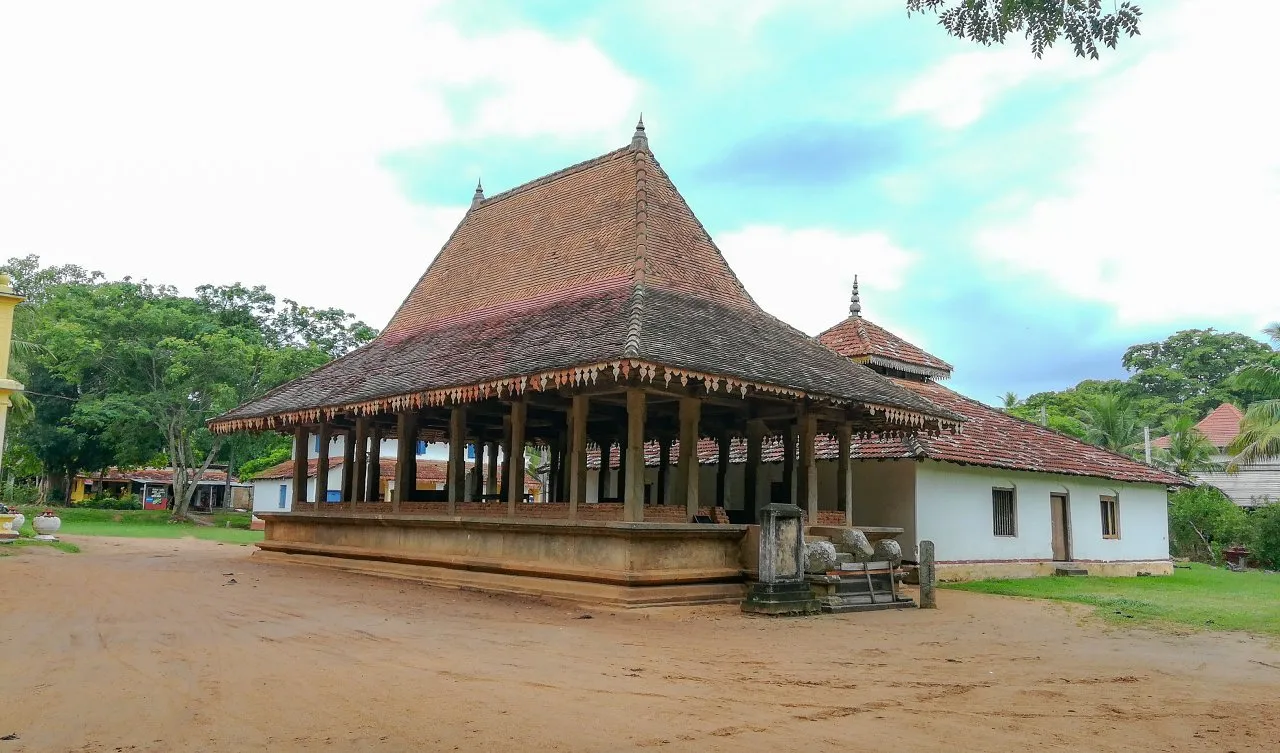
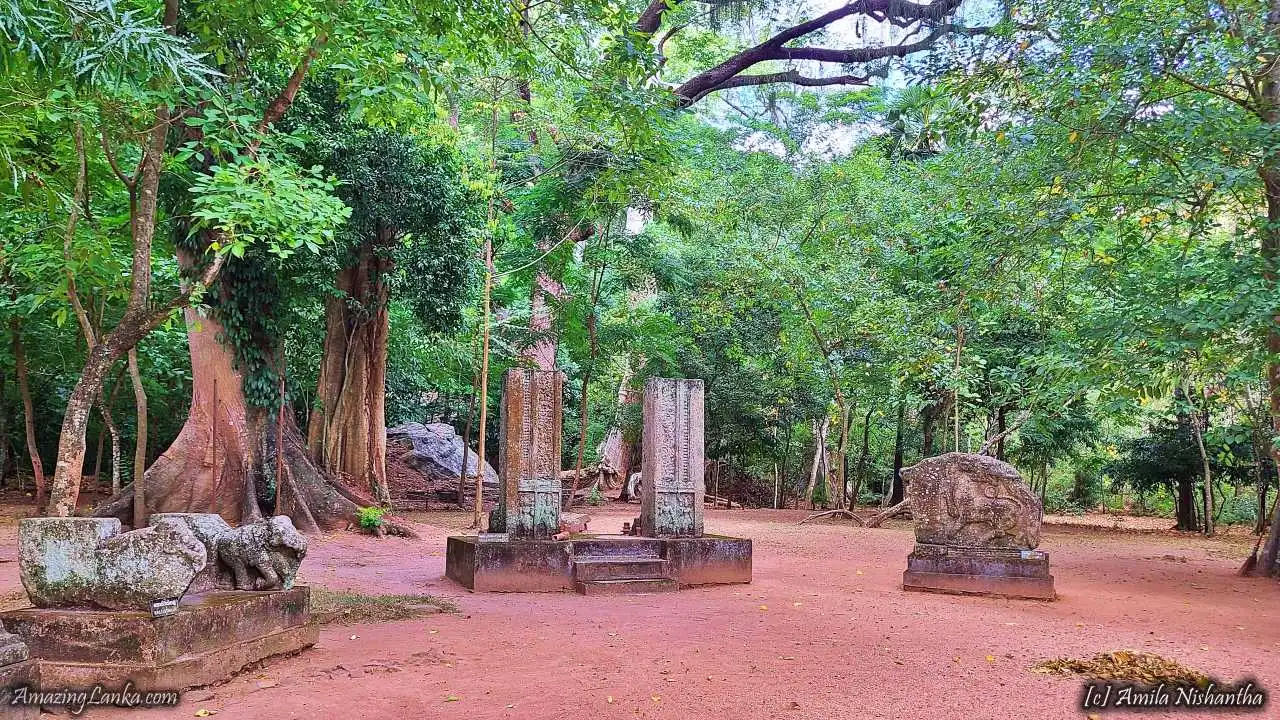
Panduwasnuwara was an ancient royal city associated with King Parakramabahu I. The site contains palace foundations, defensive moats, ancient walls, and the legendary tower of Princess Unmada Chitra — a figure of great romance and legend in Sinhala history.
It remains one of the best-preserved archaeological sites in the region, offering visitors a remarkable window into the spatial planning and ceremonial life of early Sri Lankan royalty.
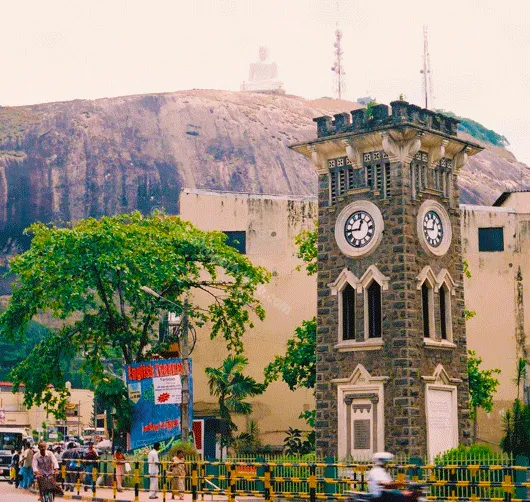
Kurunegala served as the capital after Yapahuwa. The city is surrounded by massive rock formations — Ethagala (Elephant Rock), Ibbankatuwa, and others — that provided extraordinary natural protection and inspired a wealth of royal legends.
Historical landmarks and royal legends continue to make Kurunegala an important cultural destination. Today it serves as the modern capital of the North Western Province, bridging ancient history with contemporary Sri Lankan life.
| Kingdom | Period | Founded By | Key Significance | Must-See |
|---|---|---|---|---|
| Thambapanni | 543 BCE | Prince Vijaya | First Sinhalese Kingdom | Puttalam |
| Dambadeniya | 1220–1272 CE | King Vijayabahu III | Buddhism & Sinhala Literature | Dambadeniya Rock |
| Yapahuwa | 13th Century | King Buwanekabahu I | Sacred Tooth Relic, Rock Fortress | Lion Staircase |
| Panduwasnuwara | Ancient | King Parakramabahu I | Best Preserved Royal City | Princess Tower |
| Kurunegala | Post Yapahuwa | Multiple Kings | Rock Formations & Royal Legends | Ethagala Rock |