Sacred Heritage
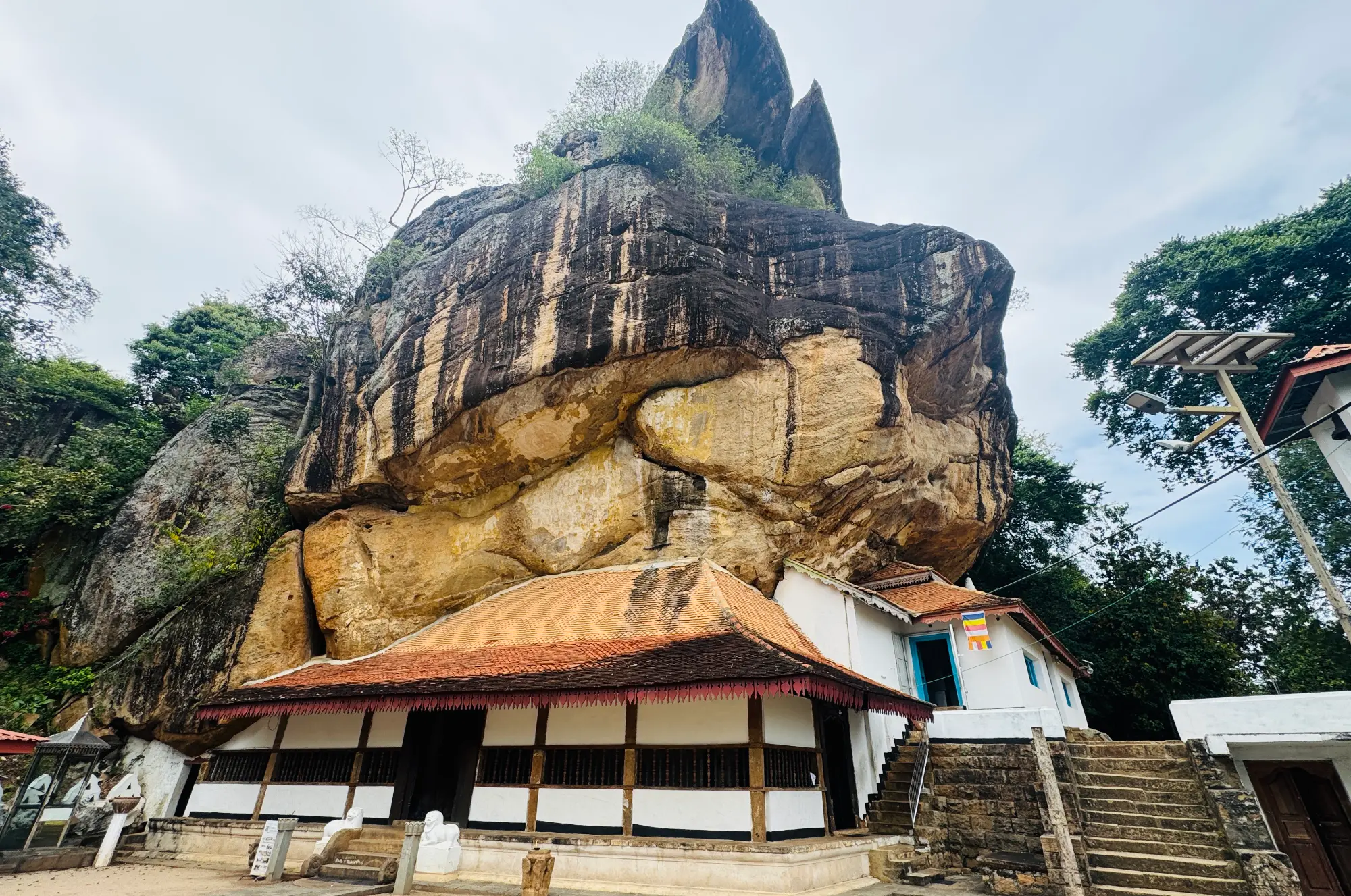
Temples, shrines, kovils, churches, and mosques create meaningful routes for spiritual travel and cultural understanding.

Start here for a broad introduction to the North Western Province, from heritage landscapes and sacred sites to fishing villages, wildlife corridors, and warm community hospitality.
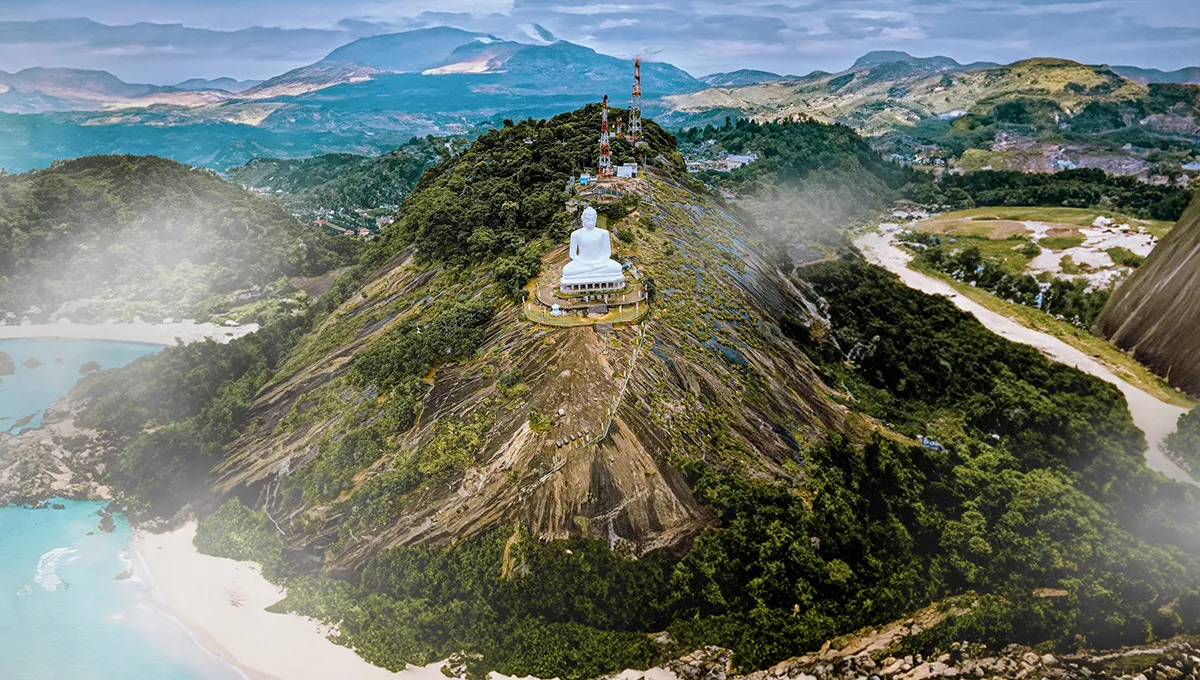
Wayamba brings together two districts, Kurunegala and Puttalam, with a travel identity that is both historic and coastal. Inland, visitors meet ancient capitals, rock temples, irrigation tanks, coconut landscapes, paddy fields, and village craft. Toward the coast, the province opens into lagoons, fishing communities, coral reefs, wind sports, and wildlife-rich dry-zone routes.
It is a province for travelers who want variety without rushing: a morning among royal ruins, an afternoon beside a lake or wetland, and an evening shaped by local food, faith, and community life.
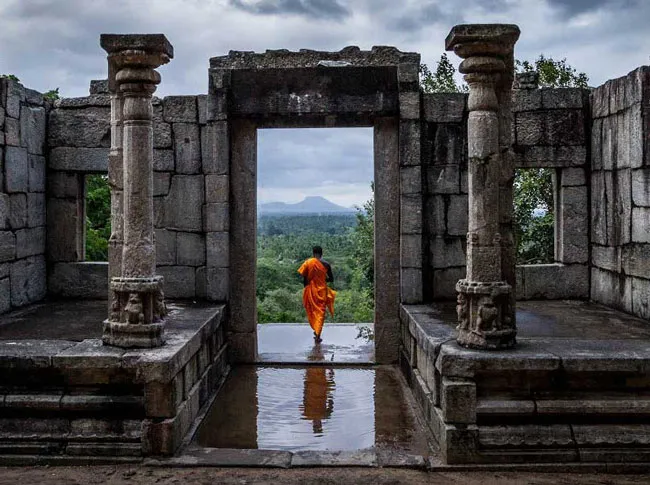
Wayamba culture is not only preserved in monuments. It lives in temple rituals, kovil festivals, church feasts, village pottery, coconut cultivation, paddy farming, fishing communities, and seasonal celebrations. The province is home to Buddhist, Hindu, Christian, and Muslim heritage, giving travelers a layered experience of Sri Lankan identity.
Temples, shrines, kovils, churches, and mosques create meaningful routes for spiritual travel and cultural understanding.
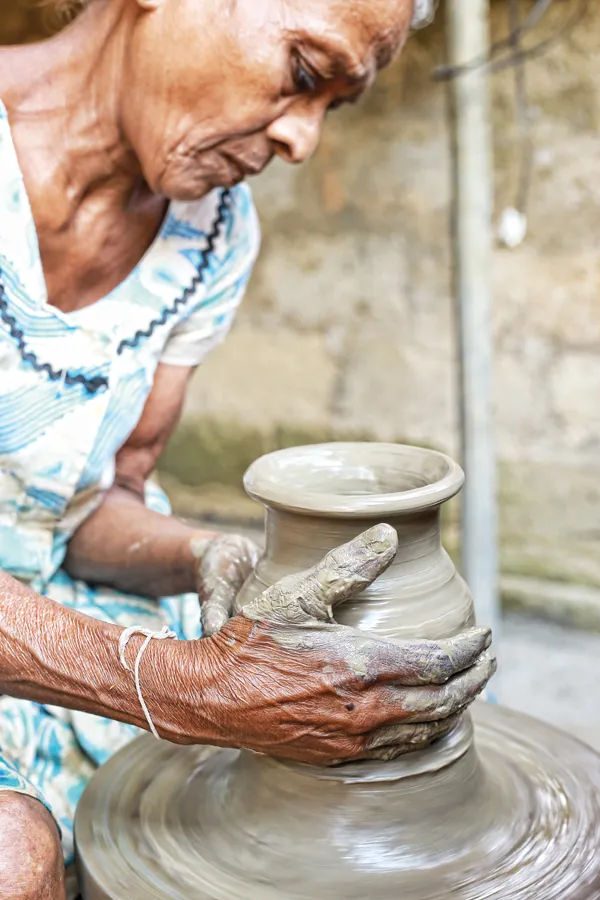
Traditional pottery, farming routines, and rural livelihoods give visitors a close view of Wayamba's working communities.
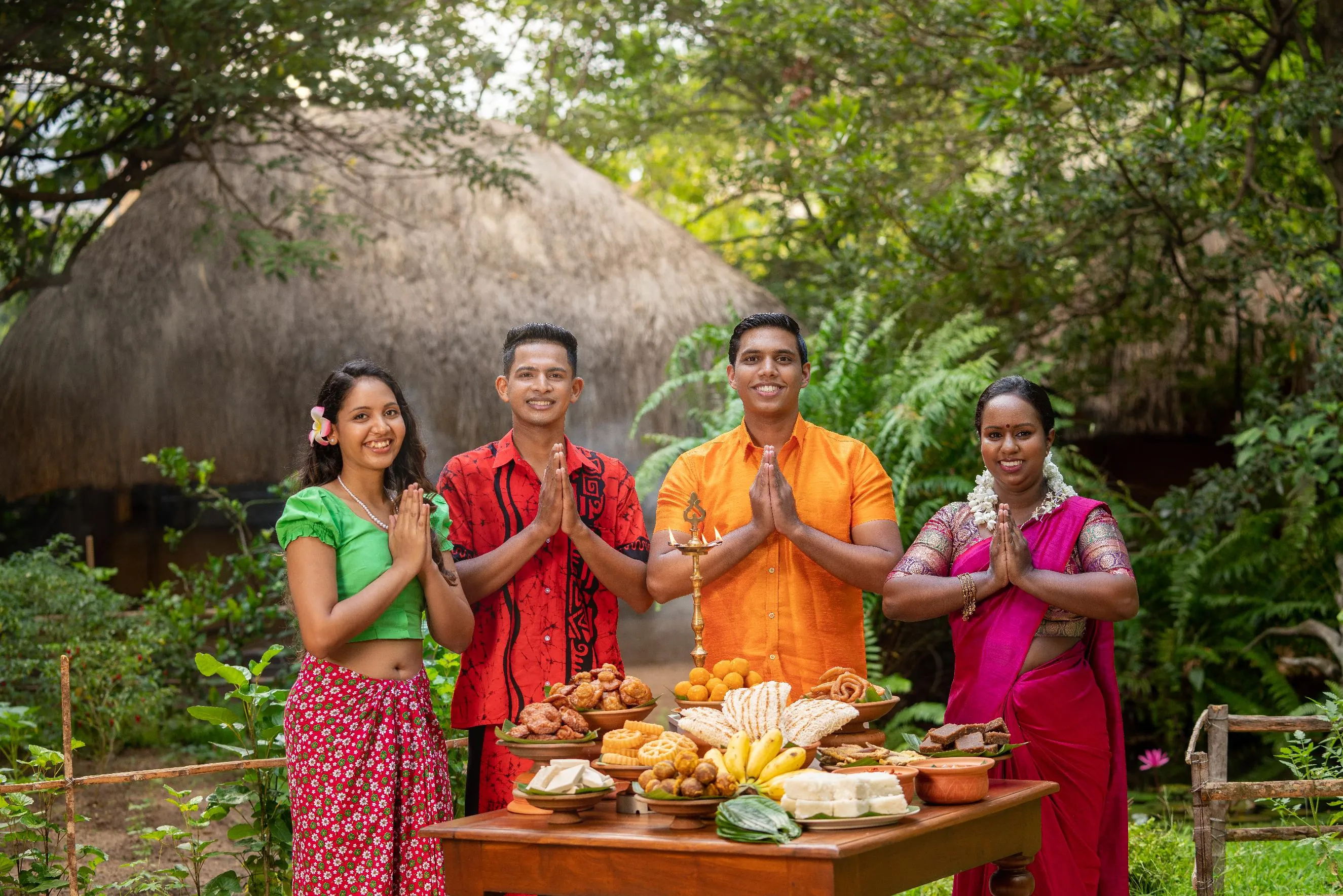
New Year customs, peraheras, pilgrimages, and community events bring color, sound, and shared celebration to the province.
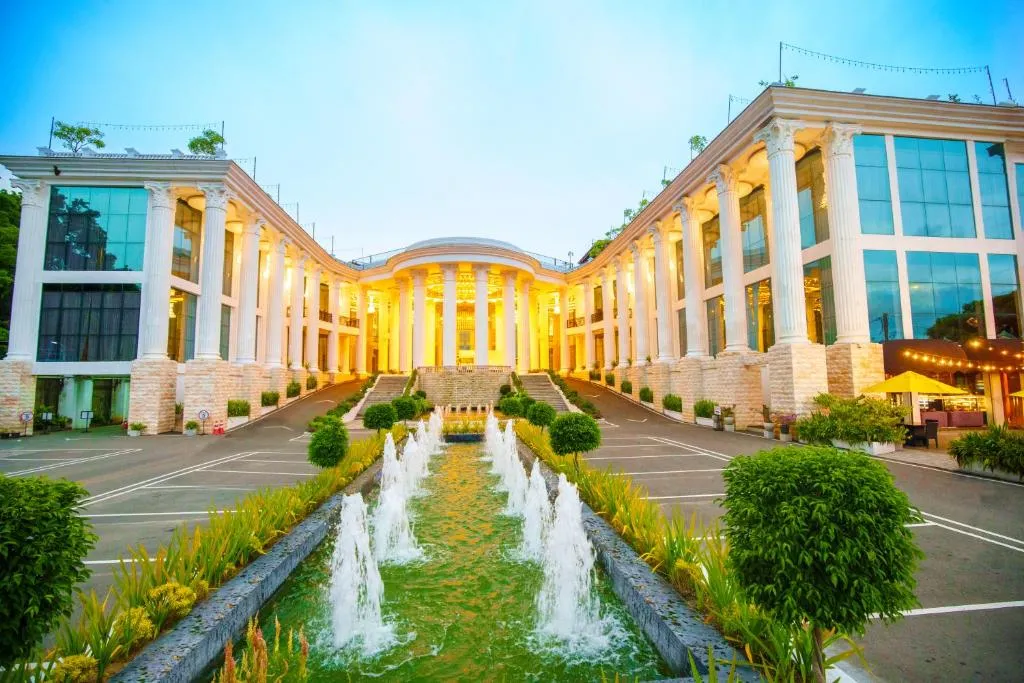
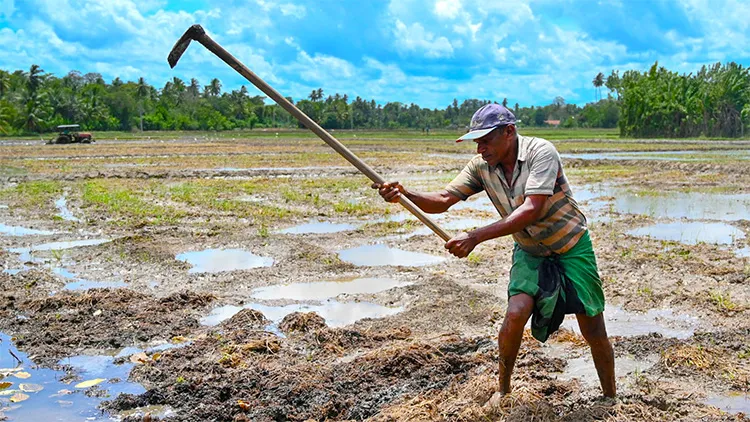
Wayamba cuisine carries the character of its landscape. Coconut, rice, freshwater fish, lagoon seafood, seasonal vegetables, spices, and traditional sweets all appear in local meals. Along the Puttalam coast, seafood and lagoon flavors stand out. Inland, rice-based meals, coconut sambols, curries, and village produce connect food directly to farming life.
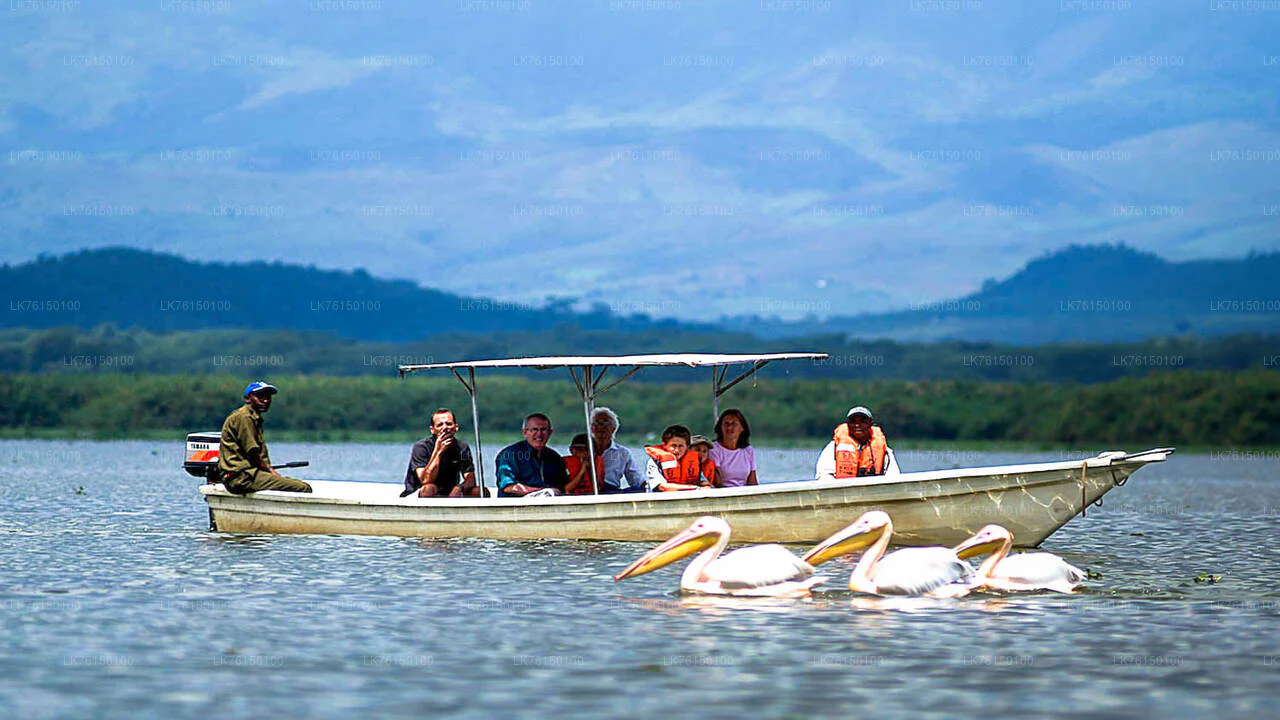
Kurunegala is the inland gateway for ancient kingdoms, rock landscapes, temples, lakes, and village culture. Puttalam opens the province toward Kalpitiya, Wilpattu, wetlands, lagoons, marine life, and coastal communities. Together they create a compact but varied route across history, nature, and the sea.