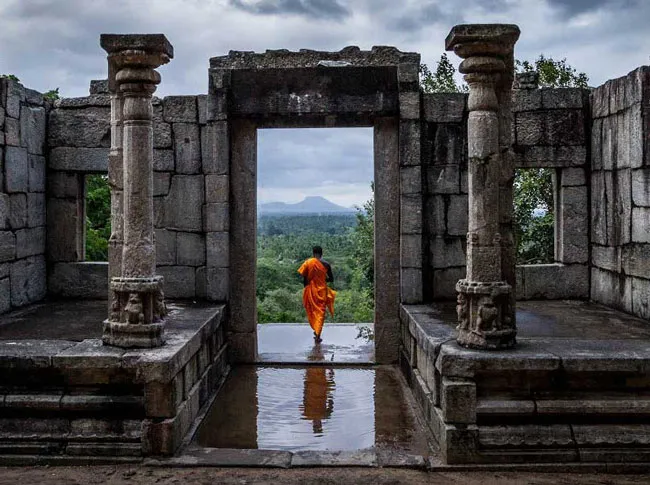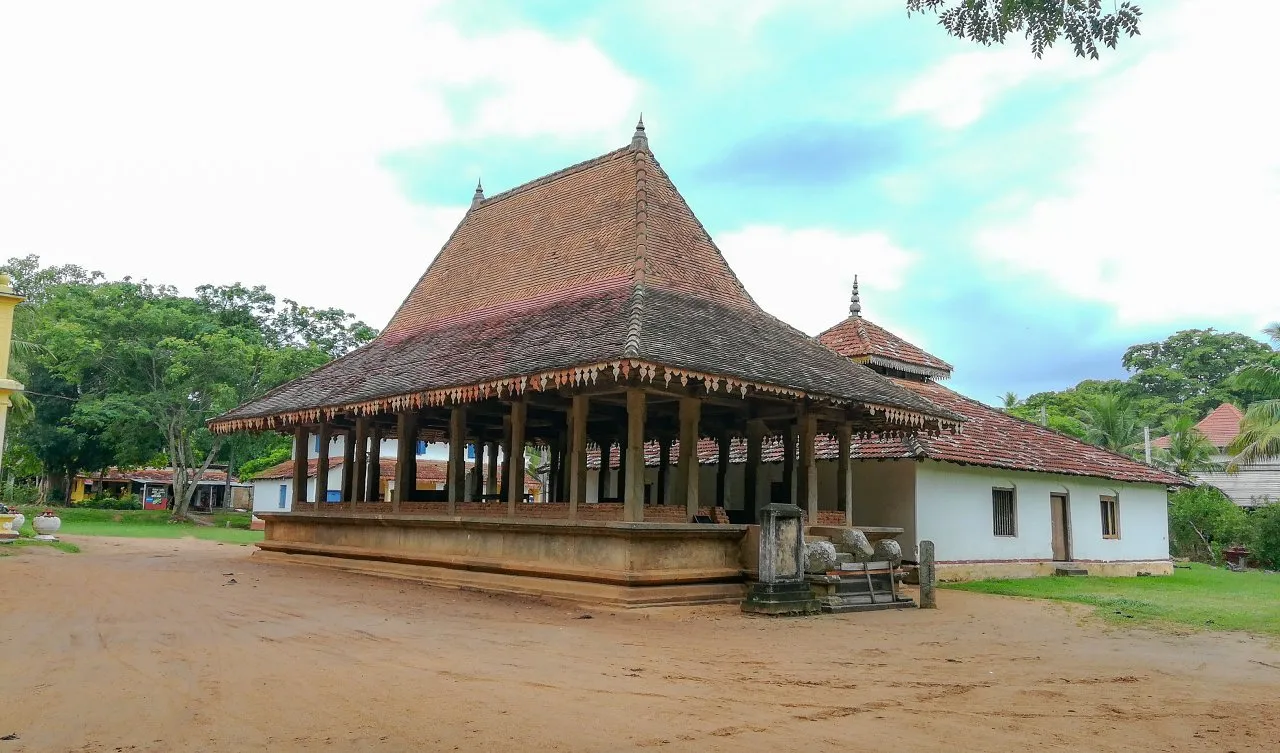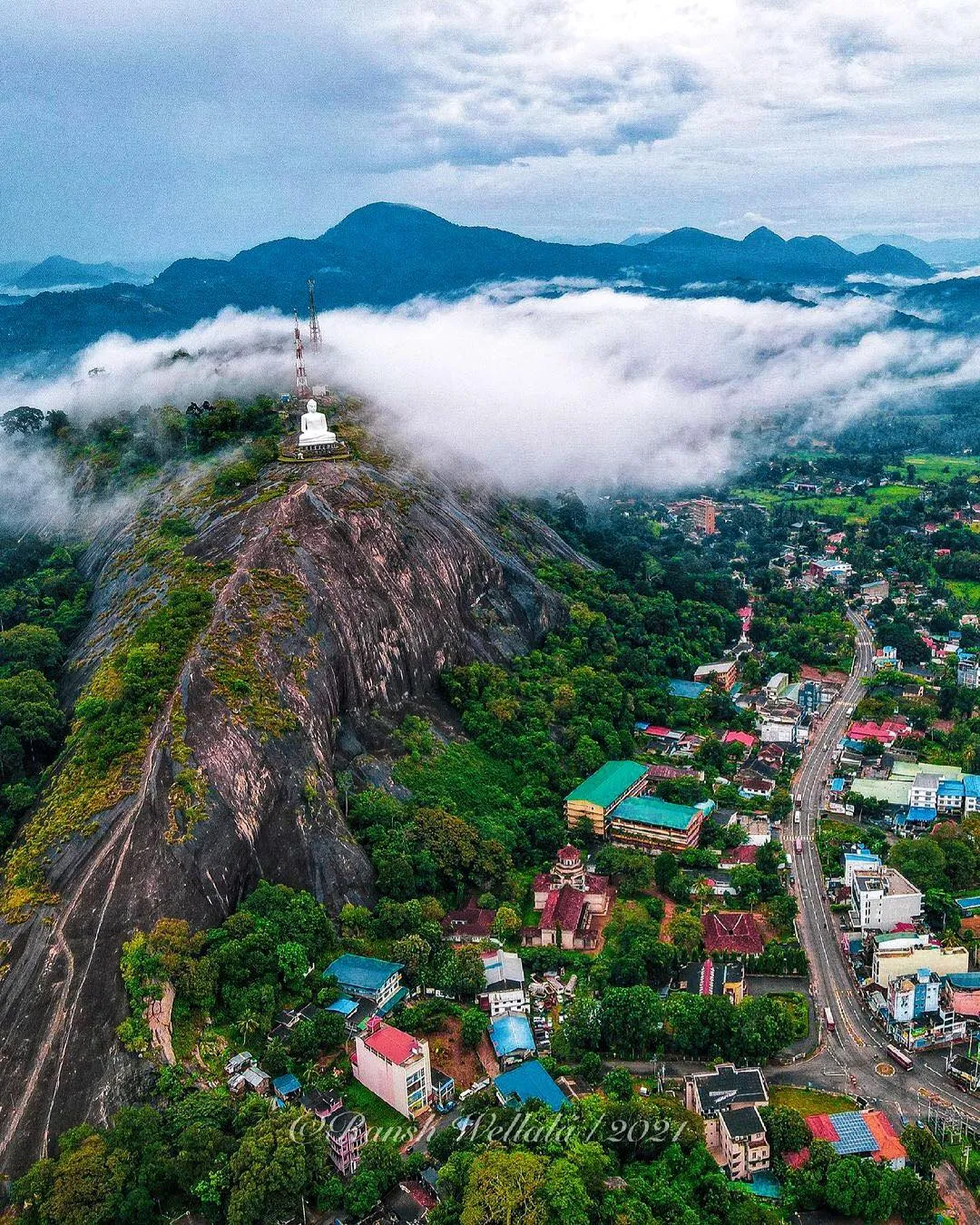
Over a thousand years of royal history, ancient capitals, sacred spaces, and a living cultural legacy that still shapes the North Western Province today.
Explore the HistoryWayamba Province has played a vital role in Sri Lanka's history for more than a thousand years. During the medieval period, several Sri Lankan kingdoms established their capitals in this region due to its strategic location and natural defenses. The province became a center of administration, religion, literature, and culture after the decline of Polonnaruwa.
Ancient rulers built fortified cities, royal palaces, monasteries, reservoirs, and temples throughout the region. Today, these historical remains provide valuable insight into Sri Lanka's rich heritage and attract thousands of local and international visitors every year.
From the legendary founding of the Thambapanni Kingdom by Prince Vijaya to the rock fortress of Yapahuwa and the ancient city of Panduwasnuwara, the province holds treasures that span centuries — each site telling a unique chapter of the island's royal saga.
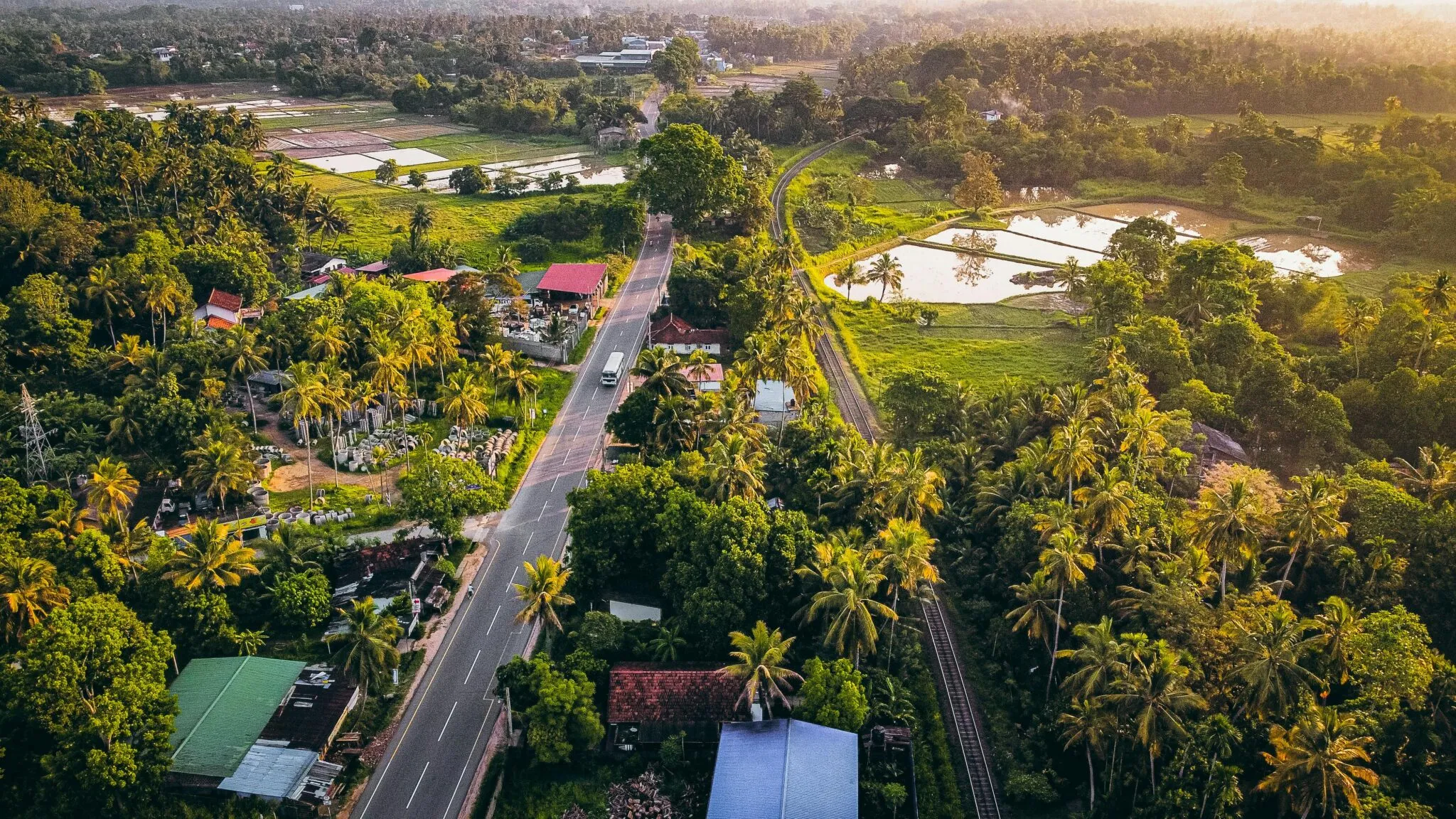
The first Sinhalese kingdom in ancient Sri Lanka, founded by Prince Vijaya and his followers upon landing on the island near modern-day Puttalam.
Associated with King Parakramabahu I, Panduwasnuwara stands as one of the earliest royal capitals in the North Western Province.
Founded by King Vijayabahu III, Dambadeniya became a stronghold of Buddhism and Sinhala literature during a critical period of national identity.
King Buwanekabahu I established Yapahuwa, housing the Sacred Tooth Relic here. The magnificent rock fortress remains one of the most dramatic heritage sites in Sri Lanka.
Kurunegala served as the capital after Yapahuwa, naturally protected by massive granite rock formations. Its legacy continues as the modern capital of the North Western Province.
Wayamba's natural geography — towering rocks, rivers, and jungles — made it the ideal refuge for medieval Sri Lankan kings fleeing invasions and establishing new power centers.
The province became a beacon of Theravada Buddhism. Sacred relics, ancient temples, and monastic complexes flourished here under the patronage of successive royal dynasties.
Dambadeniya is celebrated for preserving Sinhala literary traditions. Scholars and monks produced important texts that enriched the island's cultural and religious knowledge.
The region contains remarkable examples of ancient hydraulic engineering — vast reservoir systems and canals that sustained agriculture and royal cities for centuries.
From the lion sculptures of Yapahuwa to cave murals at Ridi Viharaya, the province's artisans produced works of extraordinary beauty now preserved in national museums.
Local communities around ancient sites continue to maintain traditions, rituals, and crafts rooted in the same royal heritage that shaped their ancestors' lives.
Wayamba Province is not just a collection of ruins — it is a living testament to Sri Lanka's enduring civilisation, preserved in stone, faith, and community.