
Wayamba Province contains some of Sri Lanka's most valuable archaeological treasures � revealing architectural skills, engineering achievements, and the cultural sophistication of ancient civilizations.
Discover the SitesWayamba Province contains some of Sri Lanka's most valuable archaeological treasures. These sites reveal the architectural skills, engineering achievements, and cultural sophistication of ancient Sri Lankan civilizations � from fortified royal cities to intricately carved monastic complexes.
Archaeological excavations continue to uncover valuable artifacts, helping researchers and visitors alike understand the region's historical significance and cultural development over more than a millennium.
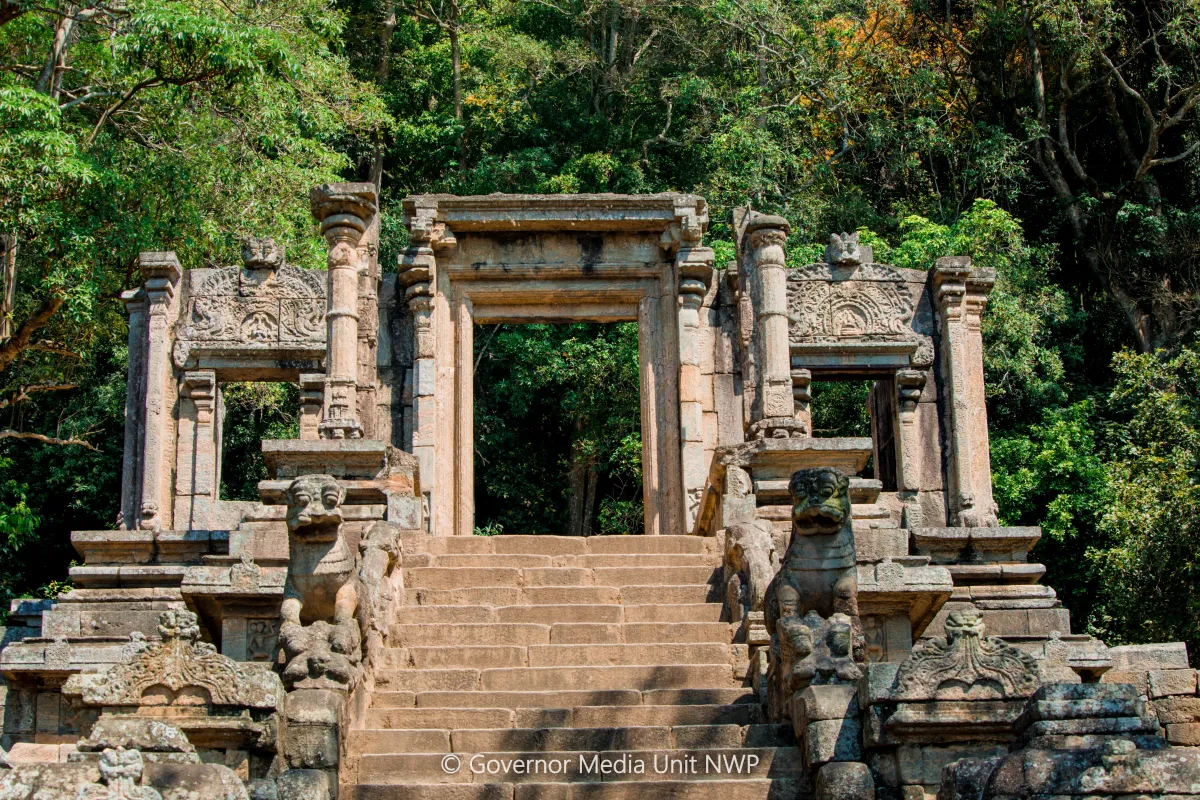
A 90-metre granite rock fortress that served as a royal capital in the 13th century. Features the iconic ornamental staircase with lion sculptures, ancient temple ruins, and a site museum.
13th Century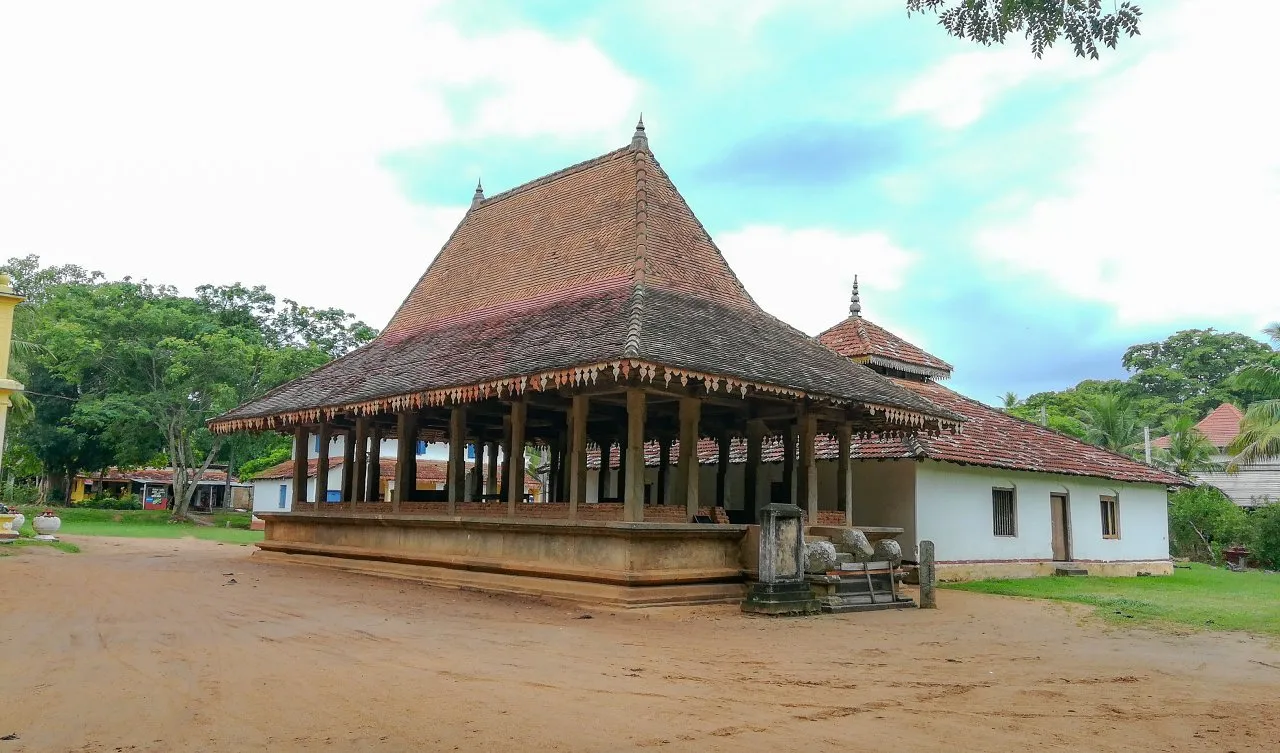
One of the best-preserved royal city sites in the region. Contains palace foundations, defensive moats, ancient walls, and the legendary tower of Princess Unmada Chitra.
Ancient Royal City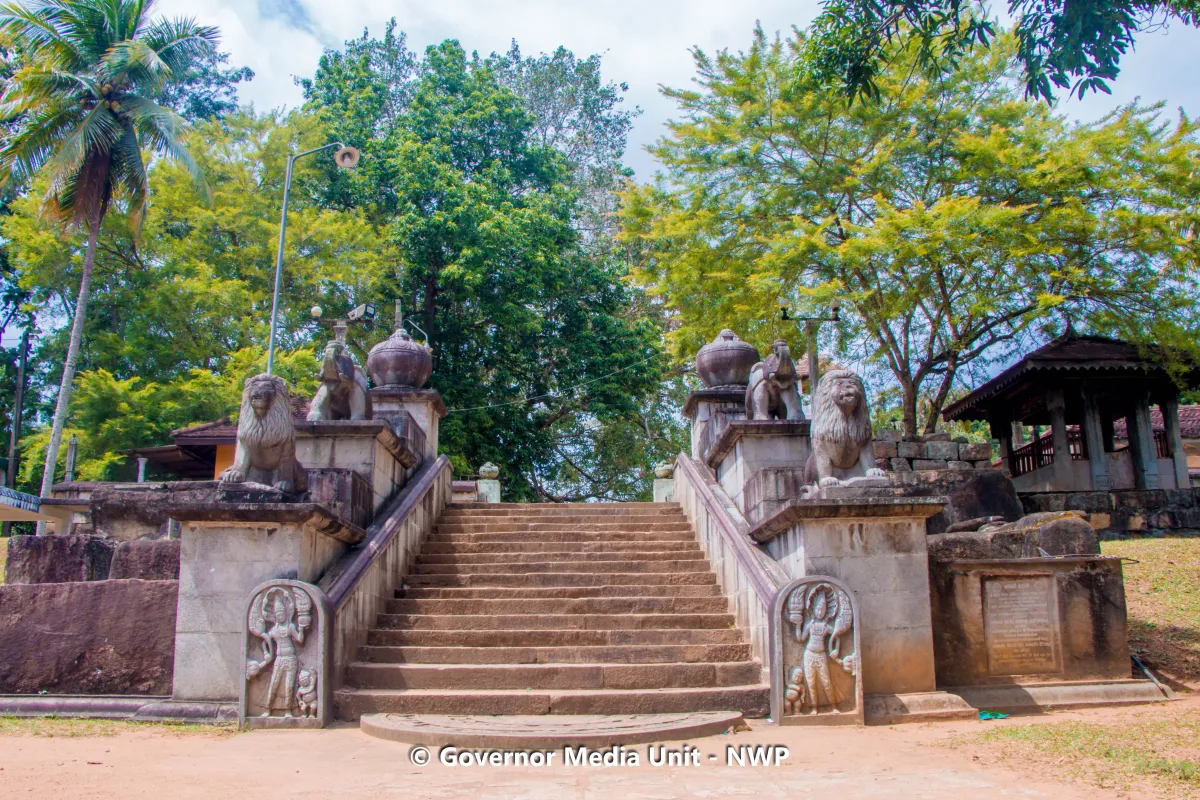
Capital of Sri Lanka from 1220�1272 CE, Dambadeniya features palace ruins, defensive structures, and the famous rock that gave the kingdom its natural fortress character.
1220 � 1272 CE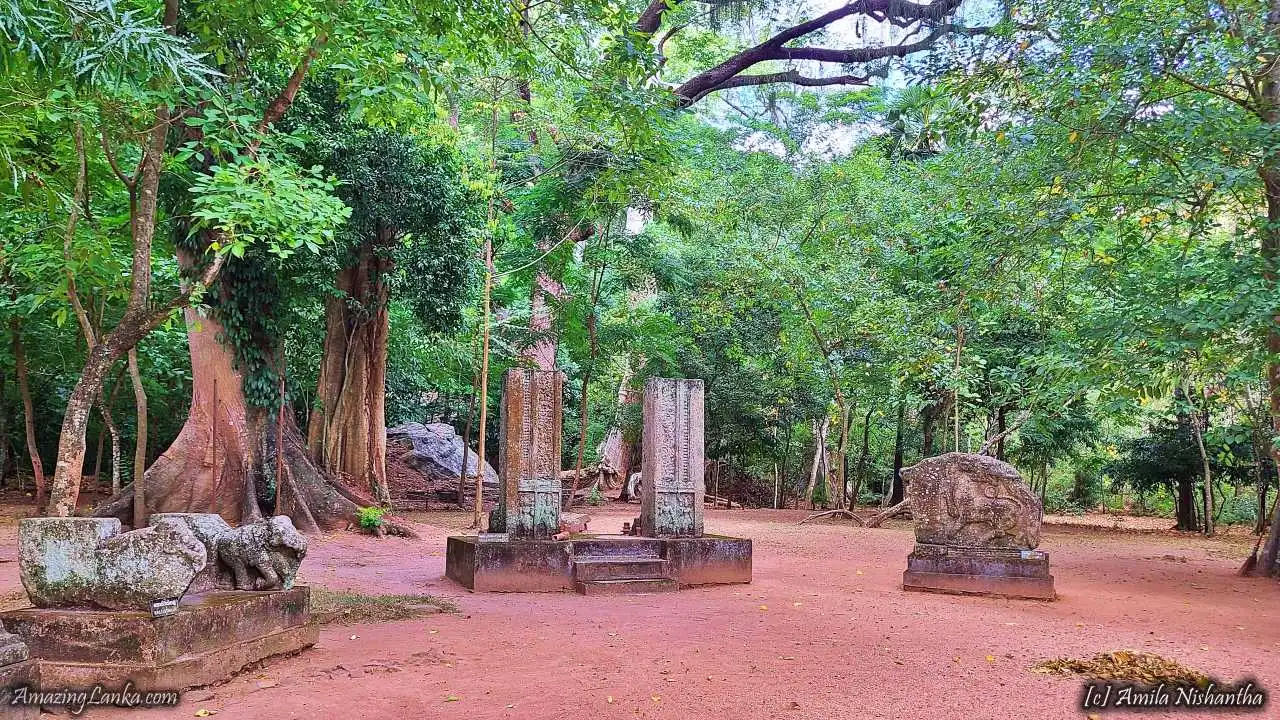
Scattered across the province capital, Kurunegala's royal sites include historical temples, rock inscriptions, and ancient structures connected to multiple medieval kingdoms.
Medieval Period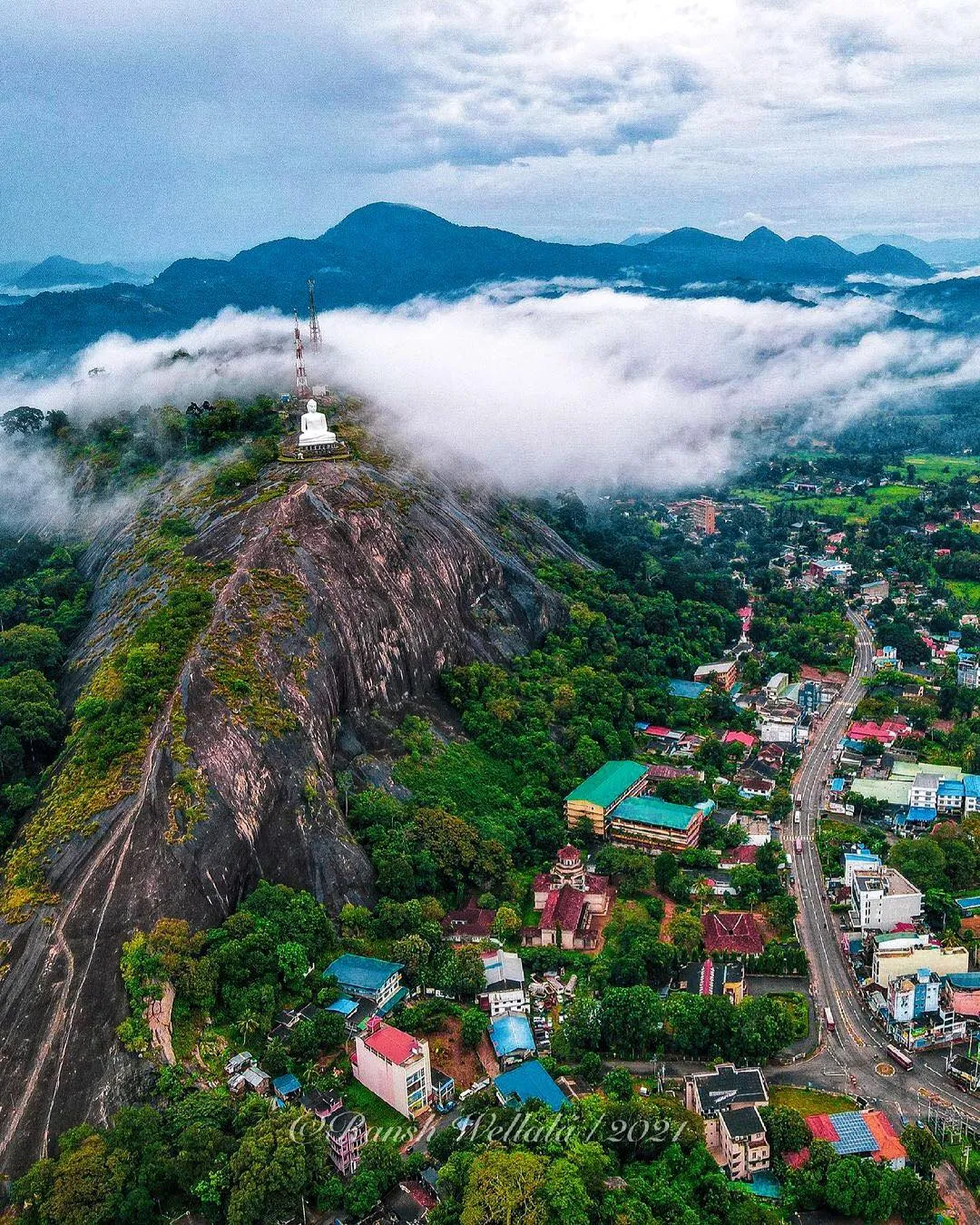
Throughout Wayamba, monastic complexes reveal the spread of Buddhism. These include cave temples, meditation hermitages, stupa ruins, and sacred bathing ponds used by ancient monks.
Buddhist Heritage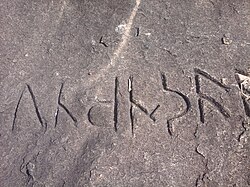
Scattered across the province, ancient stone inscriptions in Sinhala and Brahmi script document royal decrees, land grants, and religious donations of ancient kings and nobles.
Epigraphy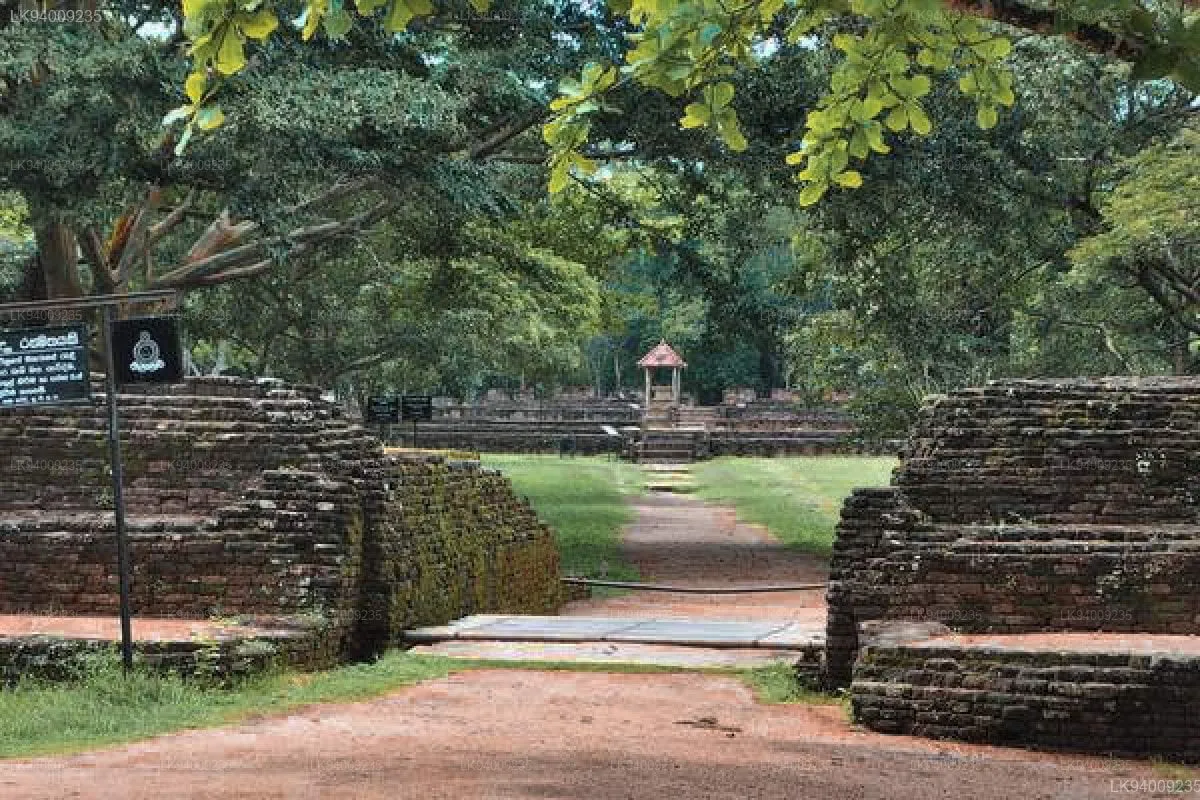
Archaeological excavations continue to uncover valuable artifacts, helping researchers understand the region's historical significance and cultural development.
The dry season from May to September offers the best conditions for exploring outdoor archaeological sites. Early morning visits provide cooler temperatures and beautiful light for photography.
Most major sites are accessible by road from Kurunegala. Yapahuwa is ~45 km from Kurunegala. Panduwasnuwara is located near Chilaw. Dambadeniya is within easy driving distance of Kurunegala town.
Wear comfortable footwear suitable for uneven terrain. Carry drinking water and sun protection. Hire a local guide for deeper insights. Respect all signage and do not touch or remove artifacts.